
Therapy Insights for Individuals & Couples in RI and CT
Understanding the patterns in your relationships and yourself



You can see the pattern. You're not sure how to stop it. The articles below explore why certain dynamics repeat in relationships, anxiety, and the moments we get stuck. Recognizing the pattern is the first step.
No pressure, no paperwork. Just a conversation.
Explore Resources by Topic
Reducing anxiety and relationship anxiety • Improving communication and resolving conflict • Strengthening intimacy and emotional connection • Managing transitions and boundaries
Trust and repair • Attachment • Desire differences • Parenting • Grief and loss • Trauma and healing
Relationship counseling • Individual therapy • Immigration evaluations
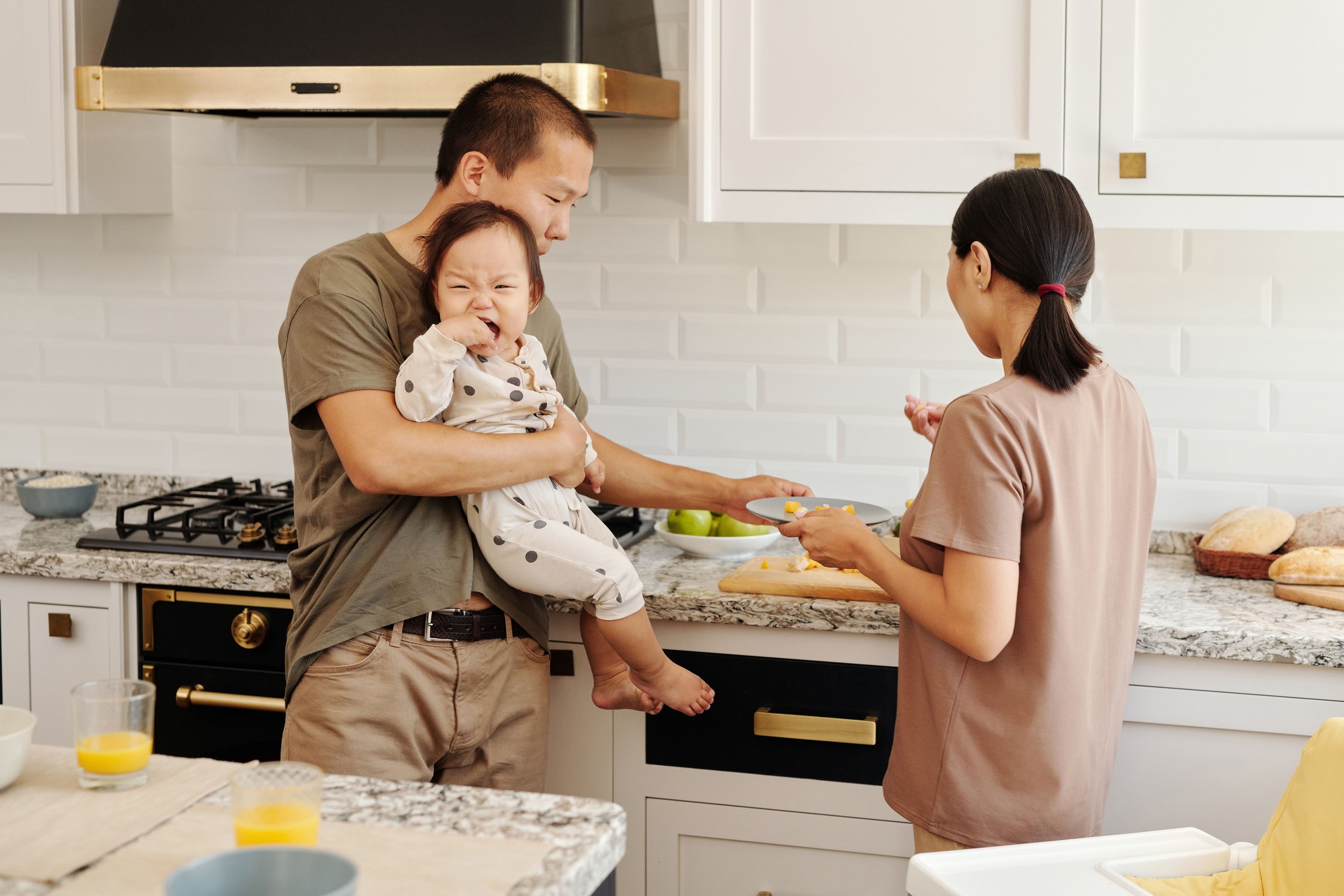
How Becoming Parents Changes Your Relationship (It's Probably Not for the Reason You Think)
Having a baby changes far more than your daily routine. It changes your relationship, your identity, and the way you connect with your partner. Learn why these changes make sense, what often happens beneath the surface, and how couples can begin finding each other again.

Grief Isn't Just About Death: The Many Losses We Don't Realize We're Mourning
Many people don't realize they're grieving because no one died. Divorce, infertility, chronic illness, immigration, career changes, friendship loss, and identity shifts can all create grief. Understanding these losses can reduce shame, explain unexpected anxiety, and help you move forward with greater compassion.

Why Understanding Yourself Comes Before Lasting Change
Most people begin therapy wanting to change one problem, like anxiety, conflict, or overthinking. What they often discover is that those struggles are part of larger patterns that developed for understandable reasons. Here's why understanding those patterns is often what creates meaningful, lasting change.

How Life Transitions Affect Your Relationship (and How to Navigate Them Together)
Major life changes affect relationships in ways that are easy to underestimate. Even when only one partner is going through something, the relationship absorbs the impact. What helps is rarely what couples expect.